There is always a solution

I’m known for saying, “there is always a solution”. Because from my own personal experience as well as coaching hundreds of athletes, no matter the issue there is always a solution. The trick is finding the right solution for each individual and my job as a running coach is exactly that. Sometimes I have to find the solution to a chronic injury or figure out how an athlete can perform their best and reach their full potential. Sure it’s my job but more accurately it’s my passion… with a fair amount of obsession.

A tool that can help many runners is Correct Toes. They are incredibly effective and easy to use. I am very skeptical of most products and hesitant to recommend any. In fact, I rarely if ever recommend a specific product. But seeing what Correct Toes have done for some of my athletes, it’s hard not to recommend them. Check out the video below to learn more about Correct Toes and get free shipping when you use the code: WR2014 on their website.

I currently have only 2 online coaching openings. I’m giving away a free pair of Correct Toes ($65 value) to two runners who sign up for either 3 or 6 months of coaching. Sign up HERE

Uphill Running Tips

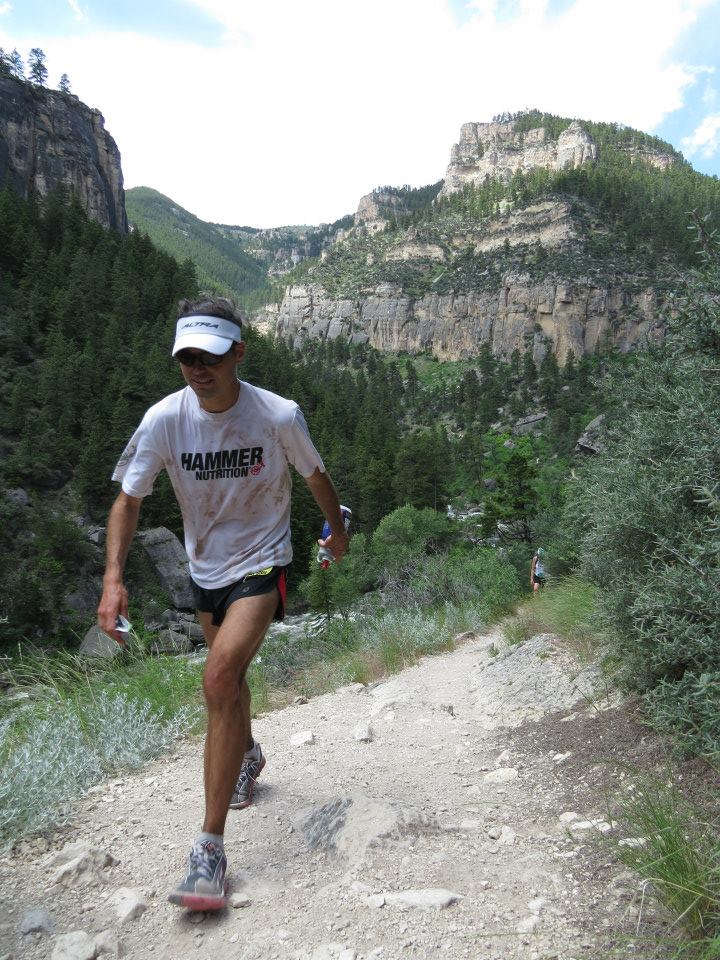
Running uphills efficiently, quickly and easier is important no matter what level of runner you are. As a professional ultra marathon runner who trains in the Rocky Mountains, I’ve worked diligently on my uphill running technique.  Here are some of my tips for road and trail runners.

Continue reading “Uphill Running Tips”

Downhill Running Tips

I use to hate downhills. They would hurt my knees, bang up my quads and I would get passed by so many runners on them. But after learning how to run them correctly, I now love downhills. They don’t beat up my body at all anymore and downhills are now one of my specialties.

Here are some of my tips for running gradual downhills:

  1. Increase your cadence: Basically, this means taking small steps. Doing so will help reduce impact (especially on your knees) and will save you energy. You will notice how much lighter and quieter you run when you do this. Shoot for around 180 steps per minute.
  2. Engage your ‘core’: Doing so will transfer some of the ground reactive forces from your joints to your strong core muscles. Engage your ‘core’ by gently pulling in your belly button about 20-30% and hold this when you run downhill. Don’t engage too hard or too high which will restrict your breathing. Focus on engaging your lower abdominal muscles especially your transverse abdominus.
  3. Lean slightly down the hill: Many runners put on the brakes when they run downhill. This results in greater impact AND slows you down. As long as you are doing the above focuses, allow yourself to flow down the hill. Don’t lean backwards, instead you should feel a gentle pull down the hill almost like you are falling. When you lean, make sure it is coming from the ankles and you are NOT bending at the waist. It is essential that you first make sure you are running with a high cadence and are engaging your core.

Damian Stoy is the founder of Wholistic Running, biomechanics specialist and professional ultra marathon runner.

Sign up for my free newsletter and blogs for tips on running, nutrition, health, injury prevention on our homepageSign up

Think running is bad for your knees? You are correct!

That’s right. I said it, running IS bad for your knees. Well…if you’re doing it the way many runners are doing it.

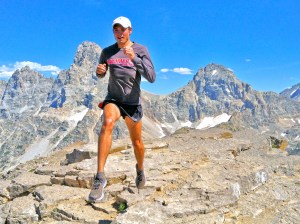
I use to suffer from chronic running injuries. In fact, my knees were so ‘messed’ up that several doctors told me I had to give up running. I tried everything out there to overcome my injuries and nothing helped. I didn’t run for over two years because I was in so much pain everyday. Finally, I was so frustrated and depressed that I wondered if there was a real solution out there. I did extensive research, had a lot of my own trial and error… and finally found the solution.Damian in Tetons

Since those painful days, I have now been injury-free for over 10 years. I’m also a successful ultra runner who has run over 35 ultra marathons including six 100 mile races. That’s right, injury-free!

“But Damian, you said running is bad for your knees?” 

It is for a lot of runners because of the way they are running. Most runners I see (probably you too) run with a high impact running technique and poor biomechanics. Combine that with improper training and inadequate nutrition and it’s no surprise that over 50% of runners get injured every year.

So what did I do to become ‘injury proof’ as a runner? I worked really hard on my running technique, I eat a whole foods diet and I train ‘smarter not harder’. I’m very passionate about injury-free running and sharing it with others. This is why I am now a biomechanics specialist and I coach runners from all around the world teaching them injury-free running technique and how to train smarter.

Please share and pass this blog along to friends and family. My passion is sharing injury-free running with runners of all levels.

Sign upSign up for my free newsletter and blogs for tips on running, nutrition, health, injury prevention  …

Run the Rann 2015

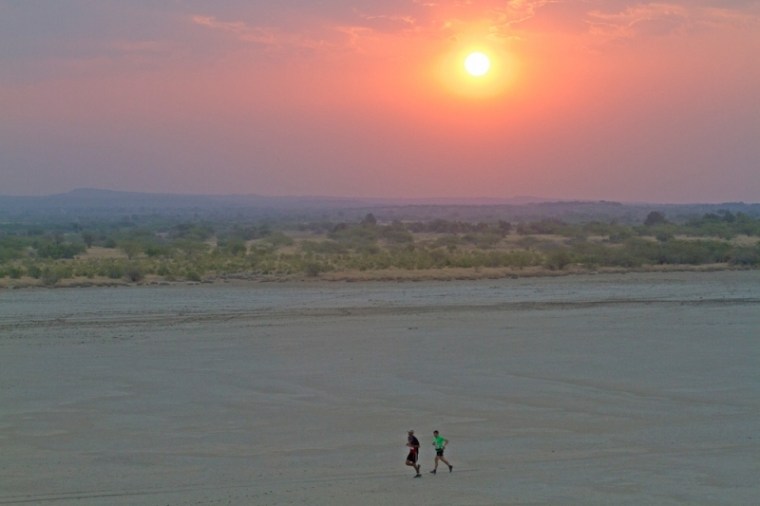
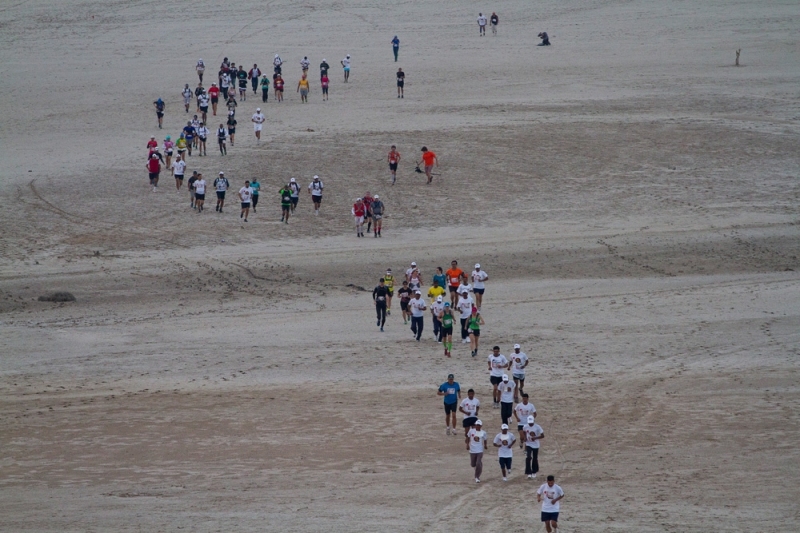
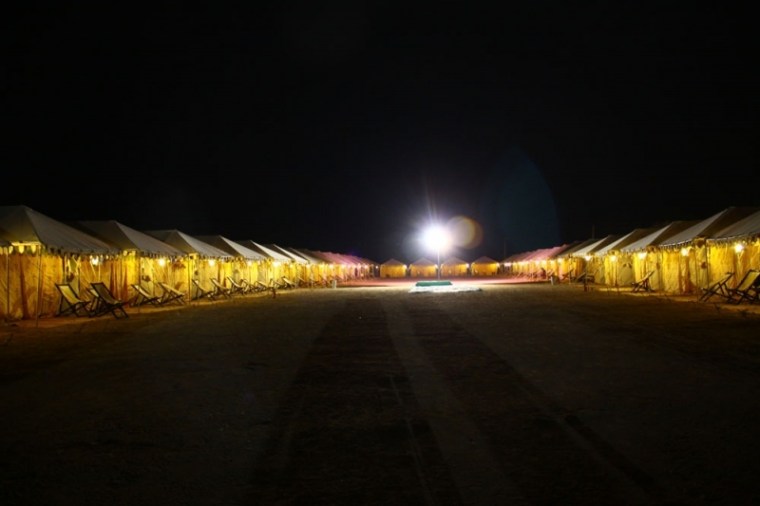
Exciting news! I have been invited to participate as an elite athlete in the Run the Rann 100 mile (161 km) race this February. Run the Rann is a truly spectacular race in India’s largest salt desert and includes 4 different distances: Half-Marathon, Marathon, 101 km and 100 mile.

Read my race report HERE

RtR1

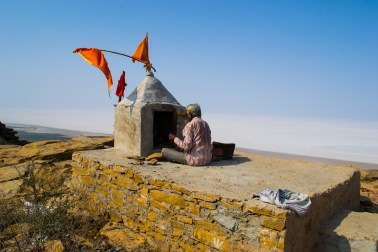
Set against the silver-white landscape of India’s largest salt desert, the Great Rann of Kutch, Run the Rann is a race for the strongest.Wether you're in trouble or not, you can stop and pray your god I will be one of 150 lucky athletes over that will embark on India’s hardest trail running desert race. Cracked desert land, vast salt marshes, unforgiving cacti and a few slithery surprises like hidden quick sand, black cobras and giant monitor lizard’s claws that are definitely best to avoid are a few of the things we may encounter. We will circle the arcane ruins of Dholavira, one of the largest, grandest, most advanced metropolises of the 5000-year old Indus Valley Civilization. We will explore the island and its most remote corners, fight the temptation to quit, and meet with every surprise the Khadir Bet island has to offer, from friendly and huge gypsy buffaloes happy to come sniff our sweat to the high peaks we will climb several times to oversee the gigantic northern white desert. Run The Rann is not your average trail running race.Peacefull guardian angels. The people of Kutch have learned to live in a peacefull harmony with animals. 2 gypsy cows belonging to a young farmer boy

Run the gael-couturier-thumbRann race director, Gael Courtier, is a long distance runner and triathlete for over 20 years. He has worked for Runner’s World in France and now directs races halfway across the world. He has run over 30 marathons all around the world, finished 7 ironman triathlons, finished 5 Marathon des Sables (one the world’s most difficult races), finished 4 Ultra Trail du Mont-Blanc’s (165 km non-stop with 9600 meters of elevation gain) as well as many others. RtR2

Australia_ Arizona_ Utah_ Africa_ no, no, no...Khadir bet island in the Kutch Desert Wildlife Sanctuary in Great Rann of Kutch.


RtR4

Damian Stoy is the founder of Wholistic Running and has run over 30 ultra marathons winning 8 of them. He coaches runners from all over the world.

Shoes and running technique

Some shoes are better at promoting an efficient running technique thus reducing impact and injuries. When it comes to running easier and injury-free, we here at Wholistic Running believe learning proper running form is essential and the correct shoes can help promote efficient technique.

posture-diagram JPG

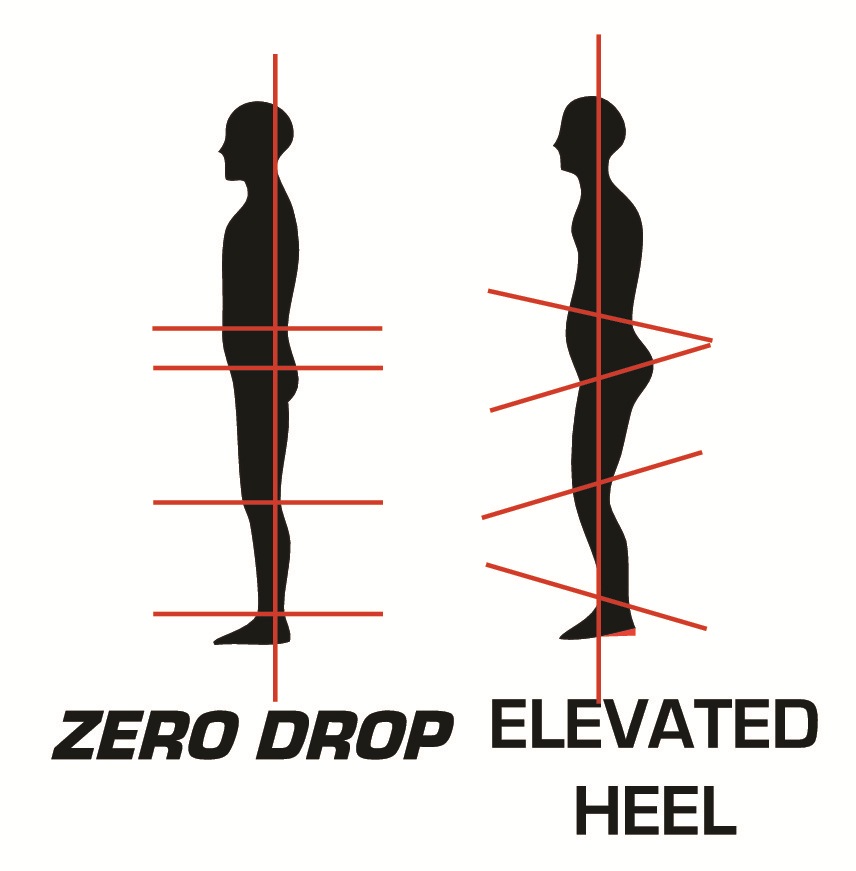
To help you get started, here are some tips for choosing shoes that promote a healthier way of moving.  Most shoes have an elevated heel which promotes a heel strike (think high impact).  We recommend shoes with ‘zero-drop’.  A zero-drop shoe encourages a full foot landing.  A full foot landing has been proven to reduce impact in several studies (2010, 2011). Zero-drop shoes also promote correct posture and alignment as well as engagement of the core when we stand, walk and run.

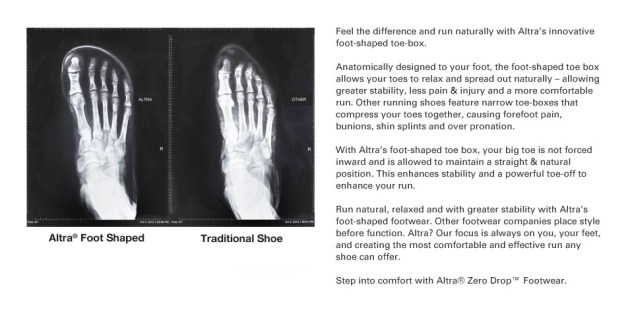
Altra shoes are zero-drop and have another benefit, a wide toe box:

foot-shaped

Remember, to most effectively reduce and recover from injuries as well as run easier, learning efficient running technique is essential and the right shoes can help. I teach efficient technique because it is the easiest and the most effective way to run efficiently (farther, faster, injury-free).

-Damian Stoy is a professional ultra marathon runner, founder of Wholistic Running, biomechanics specialist, running coach and has been injury-free for over 10 years.

To receive more tips from Damian, sign up for our free emails HERE.

How to Run Injury-Free

I use to suffer from many chronic running injuries and had several doctors and physical therapists tell me:

“Give up running.”       “Running is bad for you.”      “You aren’t designed to run.”

I sure am glad I didn’t listen to them. Since then, I have run over 30 ultra marathons and even won 8 of them.

But a much greater accomplishment is the fact that I have been injury-free for the past 10 years. Yep, not a single major running injury in over 10 years even as a competitive ultra runner. Sure, I have minor tweaks and pain after running 100 miles in the mountains. But I do specific things that prevent serious injury which would cause me to go back to the days when I was injured and couldn’t run. I never want to go back to those dark days.10500512_10154308742355584_8044031842047266675_n

Shin splints, runner’s knee, IT band pain, muscle strains and foot pain were just some of the injuries I use to suffer from. Worst of all, I had patellar tendonitis in both knees for two years when I was in college. I was in pain all the time and some days I could barely walk. I went to some of the best doctors and physical therapists in New England and nothing seemed to help so I gave up running completely.

Two years of not running led to depression and a decline in health. I decided there had to be a solution, a better way. I did some research, read lots of books and found out that if I modified and practiced my running technique, I could maybe run again. It sounded unbelievable and I was very skeptical. But I went out and modified my running technique, running for the first time in over 2 years. To my surprise I was able to run with minimal pain. As the days went past, I was able to run more and more with less and less pain. I was hooked.

That was over 10 years ago and since then I have learned extensively about how to run injury-free as well as increase performance. I have experimented with many concepts and lots of trial and error. Now being a competitive ultra runner and injury-free for over 10 years, I have found what works really well for me and my passion is sharing it with others.

My top tips for injury-free running and greater performance:

1. Listen to your body

Yes, I have minor tweaks and pains when I train and after 50 or 100 mile races. The important thing is to not let these become injuries that stop you from running. The key is listening to your body. Do NOT ignore these pains. They are a signal from your body that you need to back off, rest or correct something such as your running technique. Do not be afraid to take a couple days or more completely off.

2. Improve your running technique

The major factor that allowed me to overcome chronic injuries was modifying my running technique. In the past I was inefficient and ran with a high impact technique that beat up my body, though at the time I did not know. For you to correctly modify your technique, do lots of your own research and try different concepts. I highly recommend seeking out a technique specialist to help you with your technique. At a minimum, video yourself running so you can see exactly how you run. Too many runners tell me they don’t heel strike, don’t have imbalances or misalignment issues but most often they do.DSC_0630
3. Improve your nutrition

What I eat greatly enhances my overall health, keeps my energy levels very high and helps me to recover incredibly fast. Again, the key is listening to your body and finding out what works best for you. I have tried just about everything out there and the ‘diet’ that works best for ME for performance, recovery and increased energy is a whole foods, plant-based diet (WFPB).

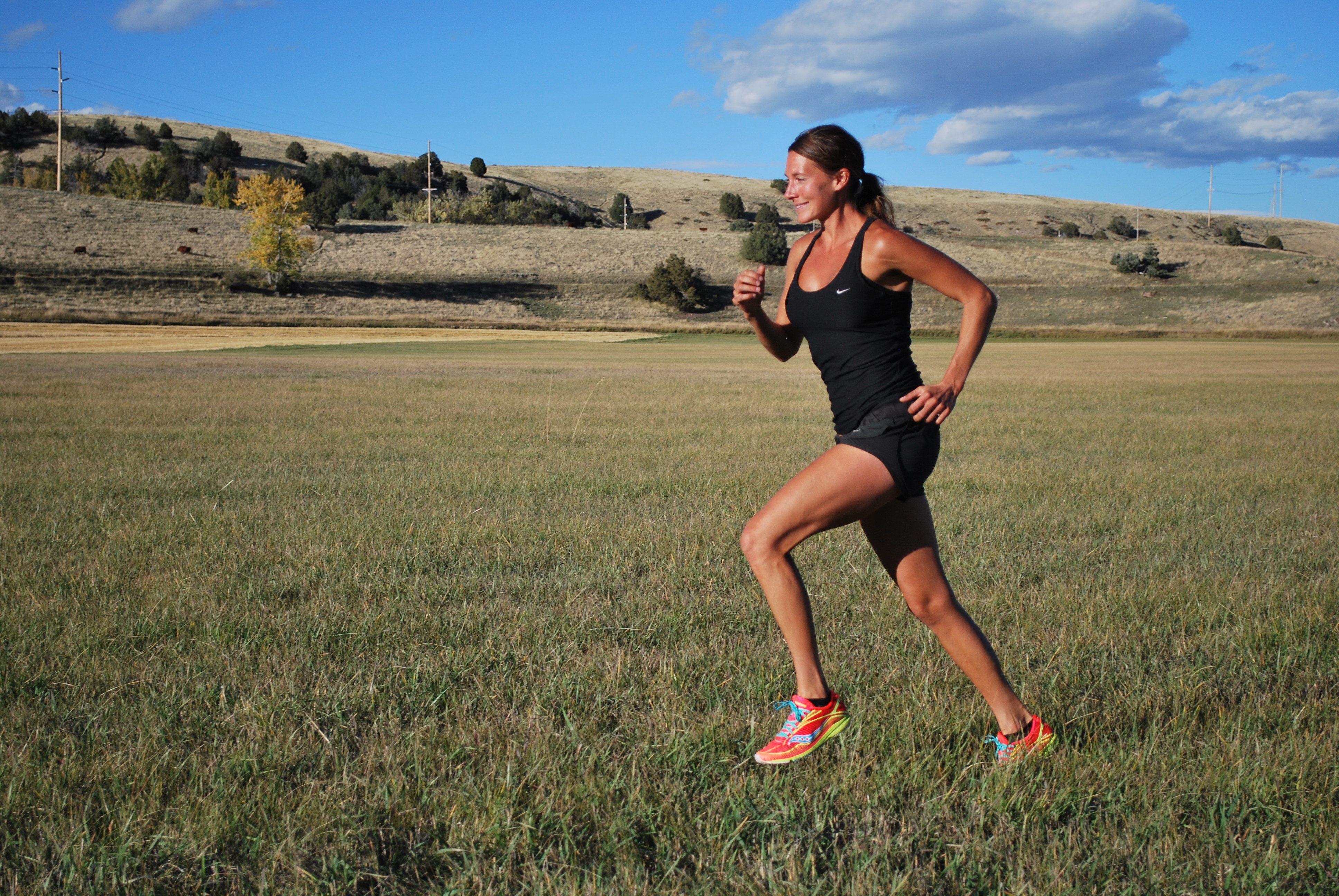
I highly recommend a nutritional coach like Lindsey at Wholicious Living who can get you great results (she’s also my girlfriend and elite runner, in the picture above).

4. Train smarter, not harder

I am a firm believer in quality over quantity. Training with this philosophy can prevent burn out, decrease injuries and running will be more enjoyable. You will also be more likely to reach your long term goals. Every run you do should have a purpose. Get rid of the junk miles that do not serve a purpose. Cyclic and periodization training are very valuable for reaching long term goals.

There are many good training programs out there. However, most do not focus on injury prevention. I highly recommend looking for a running coach that specifically focuses on injury prevention as well as performance.

5. Other important factors

Cross training and runner specific strength training are beneficial but in my opinion NOT as important as the factors I discuss above. Your foundation should be overall health, an efficient technique and proper training. Strength and cross training will build upon your foundation but too many runners rely on them exclusively for injury prevention.

I am also an advocate of sports massage, yoga, physical therapy and other techniques to help enhance recovery and overall health. But again, do NOT rely exclusively on these for injury-prevention.

Damian Stoy is a running coach, biomechanics specialist, nutritional consultant and founder of Wholistic Running. He offers online coaching and nutritional consultations for runners all around the world.

Sign up for our free newsletter and blogs for tips on running, nutrition, health, injury prevention on our homepage …Sign up

Altra Superior 2.0 Review

Damian Stoy is a coach, biomechanics specialist, Altra athlete and coaches runners from all around the world.

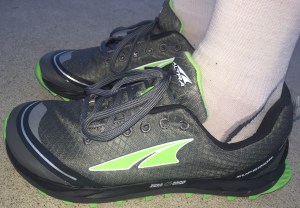
The new Altra Superior 2.0 is a significant upgrade from last year’s model. This new version has several changes that most runners are really going to enjoy.

IMG_3389

Shoe stats:

  • Weight: 8.7 oz.
  • Drop: 0 mm
  • Stack Height: 21 mm
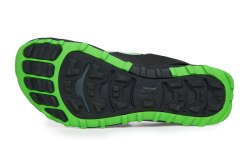
  • Outsole: Sticky Rubber TrailClaw™
  • Insole: 5 mm Contour Footbed with Removable StoneGuard™ Rock Protection

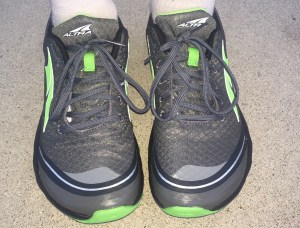
I always appreciate Altra’s zero drop and wide toe box which help promote efficient running biomechanics. Last year’s version of this model, the Superior 1.5, was a good shoe. However, it was on the heavy side, a little clunky and had minimal traction.A1552_GrayGreen_xl1

Pros:  Fortunately, the Superior 2.0 has several upgrades from the previous version that make it a much, much better shoe. The 2.0 has more cushion which is slightly softer and feels really comfortable on both roads and trails. There is an increase in stack height of 3mm which gives the shoe less of a minimalist feel but increases protection on technical terrain. The traction is much more aggressive this year. I’ve taken the new Superior on dirt trails, snow and ice and the traction is greatly improved. The shoe is also lighter which is a HUGE plus for me. At 8.7 oz, this shoe is really lightweight for a trail shoe. Yes there are others that are lighter, but few that offer as much protection or a comfortable toe box. The upper looks sleeker and probably dries faster than the previous version as well.IMG_3388

Cons: Even though the fit for me is more comfortable, it is slightly more snug than the previous version. I usually wear an 8.5 or 9 in Altra’s. The size 9 Superior 2.0 is a good fit for me but if anything, a bit tight (which I persoanally prefer). Some runners may have to size up a 1/2 size.

Overall, I highly recommend the Altra Superior 2.0. If you are looking for a comfortable, light-weight trail running that offers ample protection, the Superior 2.0 may be the shoe for you. For me, this will be my go to shoe for trails and at ultra races I’ll be competing at this year across the country.Sign up

Sign up for our free newsletter and blogs on running, nutrition, health, injury prevention  …

Race Recovery Tips

I share some of my personal tips for optimal recovery:

1. A soak in a creek or a cold bath/pool will help flush your muscles of metabolic wastes.

2. Be sure to go for an easy walk, hike or run each of the next few days to help reduce soreness and tight muscles. Adequate sleep is also essential.

3. Instead of NSAIDS (aspirin, Ibuprofen) that may have harmful side effects, choose natural, food based anti-inflammatories. An all natural supplement that works really well is Tissue Rejuvenator (Get 15% OFF) from Hammer Nutrition.

4. Drink plenty of water and eat a clean, Wholicious Living diet with lots of natural antioxidants and anti-flammatories such as turmeric, ginger, berries, flax oil and wheatgrass.

5. Try to put your legs up a couple times a day. Compression socks or shorts may be beneficial as well. I wear Correct Toes after races which feel so good and keep my feet healthy.

6. Gentle massage after a race can really be beneficial. I sometimes use a foam roller.

The quicker you recover, the quicker you can get back to doing what you love!

Damian Stoy is a professional ultra runner who has been injury-free for over 10 years. He offers online services, workshops, private lessons and nutritional coaching.